

This Dr. Axe content is medically reviewed or fact checked to ensure factually accurate information.
With strict editorial sourcing guidelines, we only link to academic research institutions, reputable media sites and, when research is available, medically peer-reviewed studies. Note that the numbers in parentheses (1, 2, etc.) are clickable links to these studies.
The information in our articles is NOT intended to replace a one-on-one relationship with a qualified health care professional and is not intended as medical advice.
This article is based on scientific evidence, written by experts and fact checked by our trained editorial staff. Note that the numbers in parentheses (1, 2, etc.) are clickable links to medically peer-reviewed studies.
Our team includes licensed nutritionists and dietitians, certified health education specialists, as well as certified strength and conditioning specialists, personal trainers and corrective exercise specialists. Our team aims to be not only thorough with its research, but also objective and unbiased.
The information in our articles is NOT intended to replace a one-on-one relationship with a qualified health care professional and is not intended as medical advice.
11 Cedarwood Essential Oil Benefits to Boost Overall Health (Plus How to Use It)
December 1, 2025
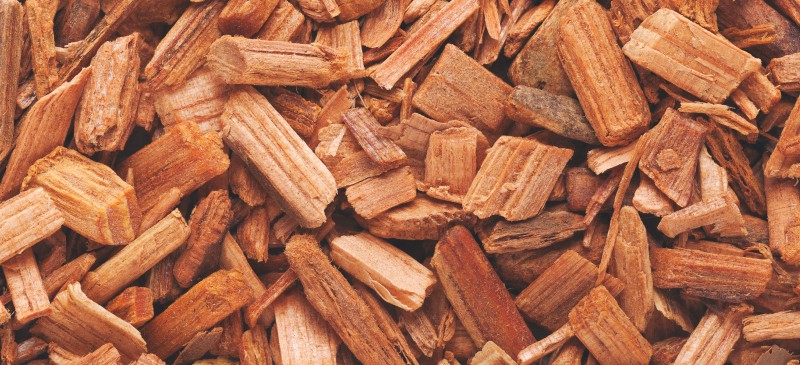
Who knew that the oil from a tree could be so beneficial to your health and wellness? Surprisingly, cedarwood essential oil has anti-inflammatory, antispasmodic, antifungal, tonic, astringent, diuretic, sedative and insecticidal properties.
These impressive characteristics of cedarwood oil make it useful for such a wide range of common health concerns, including skin problems, hair loss, infections, stress and much more. In fact, according to the U.S. Environmental Protection Agency, this essential oil can even help naturally repel moths and pests from your home while discouraging the growth of mildew!
What is cedarwood essential oil?
Cedarwood essential oil is extracted from the wood pieces of a cedar tree. There are four species of cedar trees, which are all considered to be timber evergreen conifers belonging to the plant genus known as Cedrus.
A popular type of cedarwood essential oil (Juniperus virginiana) comes from the Eastern red cedar, also called pencil cedar. The major components of cedarwood essential oil are alpha-cedrene, beta-cedrene, cedrol, sesquiterpenes, thujopsene and widdrol, all of which contribute a great deal to its amazing health benefits.
Benefits
What is cedarwood essential oil used for? What are the benefits of cedarwood oil?
Here are some of the top benefits and uses:
1. Promotes hair growth and a healthy scalp
What does cedarwood oil do for your hair? Cedarwood essential oil seems to stimulate the hair follicles and increase circulation to the scalp. This contributes to hair growth and may slow hair loss.
Herbalists and aromatherapists often recommend cedarwood essential oil for hair loss, thinning hair and various types of alopecia.
What are the best oils to mix for hair growth? In one study, applying cedarwood oil, in combination with the essential oils from thyme, rosemary and lavender, to the scalp improved hair growth in up to 44 percent of people with hair loss after seven months of treatment.
To take advantage of this possible benefit, you can add cedarwood oil to your shampoo or conditioner. You also can just massage the oil into your scalp with a carrier oil like coconut oil and let it sit for 30 minutes before rinsing.
Cedarwood essential oil is often used to improve a dry or flaky scalp (aka dandruff). This tree-derived oil can stimulate the scalp and increase circulation.
To take advantage of this cedarwood essential oil benefit, mix two drops of it with coconut oil to create a mixture with antifungal and moisturizing properties. Add the mixture to your scalp, and rub it in for five minutes. For the best results, let it sit on your scalp for 30 minutes or so, and then wash it out.
2. Holds antiseptic properties
Cedarwood definitely makes the list of essential oils used in dermatology due to its many beneficial effects on the skin, including its antiseptic ability. As a natural antiseptic, cedarwood oil can help prevent the development and growth of harmful microorganisms that can negatively affect skin health.
Since cedarwood essential oil has antiseptic properties, it can be used with a carrier oil topically to help disinfect wounds. Simply mix cedarwood essential oil with coconut oil, and then you apply the mixture to cuts and scrapes to prevent infection.
3. May help reduce acne
As a natural antiseptic, cedarwood essential oil is sometimes used as a home remedy for acne, an extremely common and chronic skin complaint.
A case report published in 2016 in the Journal of Alternative and Complementary Medicine discussed how dermatologists have been turning to alternative natural treatments like essential oils more and more these days. This case report revealed that the addition of cedarwood oil to an acne patient’s skin routine “was helpful in controlling acne.”
However, there has been extensive evidence of this, so more research is needed to confirm this benefit.
Still, considering it’s a natural antiseptic, adding one drop of cedarwood essential oil to your lotion or face wash each day/night could help your skin.
4. May help soothe eczema symptoms
Eczema is a common skin disorder that causes dry, red, itchy skin that can blister or crack. Some users find that cedarwood essential oil helps reduce the unpleasant inflammation and dryness that comes with eczema.
For instance, a 2024 scoping review of essential oils in the treatment of inflammatory skin conditions, including eczema, reported that some uncontrolled clinical reports suggest possible benefits for oils such as cedarwood. However, researchers noted the evidence remains too limited to draw definitive conclusions.

Still, there is evidence that cedarwood and other essential oils can help relieve some symptoms of eczema and atopic dermatitis (AD). In fact, a 2024 review published in Current Medical Research and Opinion concluded that essential oils “have huge potential in managing AD and can be used as complimentary therapeutic agents in AD treatment.”
It is important to note that most of the evidence that cedarwood essential oil helps eczema remain largely based on traditional use, anecdotal reports, or preclinical and in vitro data.
There are a few ways to include cedarwood essential oil in your daily routine by adding the oil to your skin lotion or soap, rubbing it on the infected or itchy area along with a carrier oil, or make yourself a bath with five drops of cedarwood oil added to it.
5. Works as a natural deodorizer
Cedarwood essential oil is comforting, reassuring and also possesses a pleasant wood-like scent. It adds a warm tone to any blend of perfumes or oil mixtures.
Plus, when it’s used around the home, it acts as a natural deodorizer to freshen the air. Diffusing cedarwood oil or adding it to a natural essential oil room/body spray can have long-lasting therapeutic effects for you and your home.
An interesting experiment focused on the ability to create fragrances for perfumes out of renewable energy resources, like cedarwood oil. Scientists found that cedarwood oil mixed with turpentine oil is very suitable for the synthesis of woody and amber notes.
You can even try making your own homemade men’s cologne with cedarwood essential oil.
6. Can kill fungus
Cedarwood essential oil can help protect you from fungal pathogens and food poisoning. One in vitro study done at ACPM Dental College’s Department of Oral Medicine and Radiology in India found that cedarwood essential oil is a viable alternative to other antibacterial agents and is “an effective module used in the control of both bacteria and yeasts responsible for oral infections.”
The study also revealed that cinnamon oil, lemongrass oil, clove oil and eucalyptus oil have the same antifungal properties.
7. Provides sedative and calming effects
Aromatherapy is the act of using essential oils to enhance psychological and physical well-being. Research has demonstrated that you may want to reach for the cedarwood oil if you’re looking to calm down and relax.
In a controlled study, healthy adult subjects inhaled vaporized cedrol, a major chemical component of cedarwood essential oil, via a face mask. During inhalation, participants had a significant reduction in heart rate, systolic and diastolic blood pressure, and respiratory rate.
Spectral analysis of heart rate variability showed increased parasympathetic activity and a reduction in sympathetic activity, which corresponds to a relaxed, restful physiological state.
Other research published in 2017 demonstrated that the scent of cedarwood essential oil, which contains cedrol, can promote sleep by increasing parasympathetic activity and increasing serotonin production.
This is why you may want to use cedarwood essential oil for sleep troubles. Try diffusing the oil before bed to take advantage of its sedative effects.
These aromatherapy properties of cedarwood essential oil can really help people struggling with chronic stress and tension as well. All you have to do is inhale cedarwood essential oil directly from the bottle, or you can also diffuse a few drops of oil.
8. Has diuretic properties
Cedarwood essential oil’s active compounds, including cedrol, beta-cedrene and thujopsene, are known to have natural diuretic abilities. This means that cedarwood oil may be able to increase the frequency of urination, helping the body remove toxins and excess water.
9. May help boost focus
A study performed by Dr. Terry Friedmann and Dennis Eggett from Brigham Young University found that using cedarwood oil on children could greatly improve their focus and learning capacity. Thirty-four children with ADHD were given one of three essential oils (cedarwood, vetiver or lavender) to inhale or nothing at all.
Children held up a bottle of essential oil to their nostrils and took three deep inhalations three times a day for 30 days. At the end of the study, there were 30 subjects who retook an EEG and T.O.V.A. test.
The researchers found that both the vetiver and cedarwood oil groups experienced improvements in brain activity and reduced the ADHD symptoms.
Additionally, a 2023 study published in the Journal of Wood Science found that spending time inside a hut built with real cedarwood caused significantly larger occipital‑cortex responses when people performed a visual change‑detection task compared with a similar hut built with resin materials. In particular, participants exposed to cedarwood’s volatile organic compounds had enhanced occipital negativity to infrequent visual stimuli, a pattern the authors interpreted as improved detection of environmental changes and increased sensitivity in early visual processing.
This suggests that cedarwood‑derived compounds may help sharpen visual attention and alertness in humans under certain conditions.
10. May help lower cough symptoms
Since cedarwood essential oil has antispasmodic ability, it may help relieve a cough.
If you have a cough, you may want to try using cedarwood essential oil before you go to sleep at night. Rub two drops of oil mixed with a carrier oil onto your chest, and throat and rub it in for a minute. You can also add the mixture to your upper lip to help with breathing if you’re stuffy.
11. Repels bugs
Cedarwood essential oil is known to drive away pests, especially ants, ticks and fleas. You can dilute the oil in water to spray on your skin as a natural bug spray to keep them away outdoors or use a diffuser to keep them out of the house or apartment.
You can also spray diluted cedarwood essential oil on your furniture to keep pests away.
One study measured the effectiveness of cedarwood oil and its active component cedrol on ants and ticks. The study found that the essential oil acted as a strong repellent to fire ants while the black-legged tick nymphs experienced dosage-dependent death when exposed to cedrol.
Additionally, when the cedrol was used at the highest dosage, the cedrol killed off 100 percent of the ticks.
Do you have a problem with moths eating your clothes? Forget those stinky moth balls, and use cedarwood essential oil instead to keep them away.
The oil of red cedar is known to kill off moth larvae on clothes. Add cedarwood essential oil to cotton balls and place them in your closet, on your hangers and inside of storage boxes.
How to use
Cedarwood essential oil can be used aromatically, topically and in certain DIY home applications to support relaxation, skin health, hair growth and a cleaner home environment. Its warm, woodsy aroma blends well with lavender, bergamot, frankincense and sandalwood, making it a versatile oil for both wellness and household use.
Aromatically:
Add three to five drops of cedarwood essential oil to a diffuser in the evening to promote a grounding, calming atmosphere. Many people use it at bedtime because its naturally soothing compounds may help support restfulness.
You can also inhale it directly from the bottle when you need emotional balance or focus.
Topically:
Dilute one to two drops with a carrier oil, such as jojoba, coconut or almond oil, and apply to the skin to help reduce dryness, support clearer skin or nourish the scalp. Cedarwood is popular in natural hair care routines because it may help improve scalp comfort and support healthy hair growth.
Apply diluted oil to the temples, wrists or the back of the neck for grounding benefits.
For skin and hair care:
Mix a few drops into your favorite natural shampoo or conditioner to help with scalp flakiness or oil buildup. For skin, add it to your moisturizer, or create a DIY blemish-supporting serum by combining cedarwood with tea tree and lavender oils.
For home use:
Use cedarwood essential oil as part of a natural home-cleaning routine. Add five to 10 drops to a spray bottle with water, vinegar or witch hazel for a woodsy-fresh, non-toxic surface cleaner.
You can also add a few drops to cotton balls and place them in closets or storage areas to help repel pests naturally.
Risks and side effects
Cedarwood essential oil should only be used externally. Although some essential oils can be added to food or ingested orally in minimal amounts, it’s not safe to consume cedarwood essential oil internally.
If consumed internally, cedarwood essential oil side effects can include vomiting, nausea, thirst and extensive damage to the digestive system.
Women who are pregnant should not use cedarwood essential oil. Talk to your doctor before using this oil if you are nursing, if you have a medical condition or are currently taking medication.
If used in high concentrations, cedarwood essential oil can cause skin irritation. Always dilute cedarwood oil with a carrier oil like coconut oil before using it on the skin, and avoid the eyes, mucous membranes and sensitive areas.
Like all essential oils, keep cedarwood out of the reach of children and pets.
Frequently asked questions
What is cedarwood essential oil good for?
Cedarwood essential oil is commonly used to promote relaxation, support healthy skin and hair, reduce occasional stress, and help naturally repel insects. Its grounding aroma also makes it popular in meditation and bedtime routines.
Is cedarwood essential oil safe for skin?
Yes, when diluted properly. Always mix cedarwood essential oil with a carrier oil before applying to the skin to avoid irritation. Conduct a patch test first if you have sensitive skin.
Can you apply cedarwood essential oil directly to your hair or scalp?
You can apply it to the scalp when diluted with a carrier oil. Many people use it to help reduce dryness, support healthy hair growth and maintain a balanced scalp environment. Avoid applying undiluted essential oils directly to the skin.
Is cedarwood essential oil safe for pets?
Use caution. While cedarwood is sometimes used in natural pet products, essential oils can be overwhelming or irritating for animals. Never apply essential oils directly to pets, and always consult a veterinarian before diffusing or using cedarwood around dogs or cats.
Can you ingest cedarwood essential oil?
No. Cedarwood essential oil should not be ingested. It’s intended for aromatic and diluted topical use only.
Does cedarwood essential oil help with sleep?
Many people use cedarwood in their evening routines because its warm, calming aroma may help promote relaxation. Diffusing it at bedtime is one of the most popular ways to use it.
What oils blend well with cedarwood?
Cedarwood blends beautifully with lavender, bergamot, frankincense, sandalwood, patchouli, lemon and orange oils. These blends can help enhance its grounding, soothing scent.
Conclusion
- Cedarwood essential oil offers a wide range of properties, including anti-inflammatory, antiseptic, antifungal, sedative, diuretic and insect-repelling effects.
- It may promote hair growth, improve scalp circulation, reduce dryness and dandruff, and is often combined with other essential oils (like rosemary, lavender and thyme) for hair loss treatments.
- Cedarwood oil can help soothe eczema, acne and minor skin irritations due to its antiseptic and anti-inflammatory properties, though evidence for some skin benefits is largely anecdotal or preclinical.
- Inhalation of cedarwood (particularly its component cedrol) can promote relaxation, reduce stress, lower heart rate and blood pressure, and may support better sleep and mental focus.
- The oil can be used as a natural deodorizer, insect repellent and moth deterrent, and it can be incorporated into home-cleaning solutions.
- Cedarwood essential oil is typically used aromatically (diffusers or inhalation), topically (diluted with carrier oils) and in DIY home applications.
- Cedarwood oil should never be ingested, must be diluted for topical use, and should be avoided by pregnant or nursing women. Caution is advised around children and pets.
- It pairs well with oils like lavender, bergamot, frankincense, sandalwood, patchouli, lemon and orange to enhance its calming and aromatic effects.
Popular Fitness Posts